
In the ever-evolving world of longevity science, some breakthroughs sound almost too good to be true. A molecule that boosts energy, sharpens focus, repairs DNA, slows aging, and even helps the body heal itself might sound like science fiction, but it’s not. That molecule already exists inside you, in every one of your trillions of cells.
It’s called NAD⁺ (nicotinamide adenine dinucleotide) and it may just be the most important biological compound you’ve never heard of. Without it, life as we know it would grind to a halt. With it, the body’s most fundamental repair and regeneration systems switch into high gear. And thanks to advances in functional and regenerative medicine, it’s now possible to restore and enhance NAD⁺ levels, unlocking profound benefits for energy, resilience, and cellular rejuvenation.
The Spark of Life: What Exactly Is NAD⁺?
NAD⁺ is a coenzyme - a helper molecule - that’s present in every cell and is involved in hundreds of essential biological processes. Its most vital job? Converting the food you eat into usable cellular energy (ATP). Without NAD⁺, your mitochondria - the tiny power plants inside your cells - can’t function efficiently. And without healthy mitochondria, nothing in your body works as it should.
But NAD⁺ is far more than a metabolic workhorse. It also plays a key role in DNA repair, cellular communication, gene expression, and the activation of sirtuins - the longevity-promoting proteins that regulate inflammation, stress resistance, and aging. You can think of NAD⁺ as our body’s “spark plug” - powering everything from energy production to tissue regeneration.
There’s just one catch: our NAD⁺ levels naturally decline with age - by as much as 50% by the time we’re 40 and up to 80% by age 60. This decline is linked to fatigue, cognitive decline, slower healing, inflammation, and many of the hallmarks of aging. Restoring NAD⁺ isn’t just about feeling younger but also functioning younger at the cellular level.
Why NAD⁺ Declines - And What That Means for Your Health
Our modern lifestyle tends to include chronic stress, poor sleep, processed food, and environmental toxins that accelerates NAD⁺ depletion. The more your cells work to repair oxidative stress, inflammation, and DNA damage, the more NAD⁺ they use. Eventually, supply can’t keep up with demand.
This shortage impacts the body in three major ways:
- Mitochondrial Dysfunction: With less NAD⁺ available, mitochondria produce less ATP. That means lower energy, slower metabolism, and reduced endurance.
- Impaired DNA Repair: NAD⁺ fuels enzymes that fix daily DNA damage. When levels drop, damage accumulates — accelerating aging and disease.
- Weakened Regeneration: Sirtuins and other repair mechanisms rely on NAD⁺. Without enough of it, cells can’t recover from injury or stress as effectively.
In essence, declining NAD⁺ is like running your body on low battery - everything still works, but nothing works optimally.
NAD⁺ and Regeneration: Fueling the Body’s Repair Systems
Here’s where things get exciting. Because NAD⁺ is involved in nearly every cellular repair process, restoring it can have wide-ranging regenerative effects. It doesn’t just support healing, but amplifies it.
1. DNA Repair and Longevity
Every day, your DNA suffers tens of thousands of tiny breaks, from UV exposure, pollution, and even normal metabolic activity. NAD⁺ powers a family of enzymes called PARPs, which repair this damage before it leads to mutations or cellular aging. Higher NAD⁺ means more efficient DNA repair and a healthier genetic blueprint for regeneration.
2. Mitochondrial Rejuvenation
Mitochondria are the “powerhouses” of the cell, but they’re also the engines of repair. They produce the energy needed for tissue regeneration, immune defense, and detoxification. NAD⁺ boosts mitochondrial efficiency and even triggers mitophagy - the recycling of old, damaged mitochondria into new ones. This rejuvenation is crucial for recovery after illness, injury, or surgery.
3. Brain and Nervous System Support
The brain is a high-energy organ and one of the first to suffer from NAD⁺ decline. Restoring levels can enhance cognitive performance, memory, and mood while protecting neurons from oxidative stress. This makes NAD⁺ a promising tool in neuroregeneration and even cognitive longevity.
- Faster Healing and Recovery
After an injury or surgery, the body goes into overdrive repairing tissue, reducing inflammation, and generating new cells. NAD⁺ accelerates this process, making it particularly valuable in recovery from orthopedic injuries, post-surgical healing, and chronic fatigue or post-viral syndromes.
5. Enhanced Cellular Communication
Cells don’t heal in isolation but instead “talk” to one another through signaling pathways. NAD⁺ supports this communication, allowing stem cells, exosomes, and growth factors to coordinate more effectively. It’s one reason why NAD⁺ therapy is often used alongside regenerative treatments for even greater results.
NAD⁺ in Practice: How Therapy Works
While the body can produce NAD⁺ from vitamin B3 (niacin) in food, this process is inefficient and often inadequate to replenish depleted stores. That’s where NAD⁺ therapy comes in.
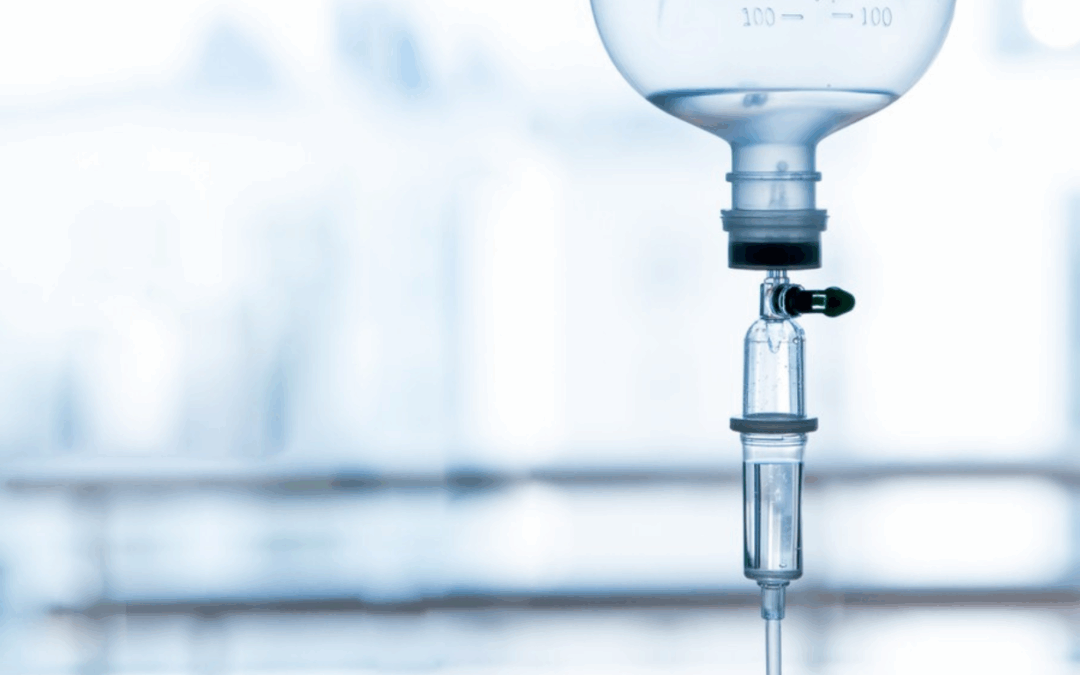
The most effective way to restore levels is through IV NAD⁺ infusions, which deliver the coenzyme directly into the bloodstream for immediate cellular uptake. Sessions typically last 60–90 minutes and can be tailored to individual needs - from longevity support to athletic recovery or post-illness regeneration.
Some patients notice benefits after just one session: improved mental clarity, deeper sleep, steadier energy. Others require a series of treatments to fully restore optimal NAD⁺ function. For ongoing maintenance, periodic “booster” infusions can help sustain results.
Synergy With Regenerative Therapies
NAD⁺ is powerful on its own, but it’s even more transformative when combined with other regenerative treatments. Because it enhances mitochondrial function, DNA repair, and cellular communication, NAD⁺ primes the body to respond more effectively to therapies such as:
- Stem Cells: By creating an optimal cellular environment, NAD⁺ improves stem cell survival and differentiation.
- Exosomes: NAD⁺ boosts cellular “receptivity” to exosome signaling, enhancing tissue repair and immune modulation.
IV Lasers and Ozone Therapy: When cells are metabolically charged, they respond more robustly to additional bio-stimulation.
The BioVitalis Approach: Restoring the Spark of Youth
At BioVitalis by Centro Holistico, NAD⁺ isn’t treated as a luxury add-on but as a cornerstone of their regenerative philosophy. By replenishing this critical coenzyme before or alongside advanced therapies, they ensure the body is primed to repair, rejuvenate, and thrive.
“We don’t just treat symptoms,” the BioVitalis team explains. “We restore balance at the cellular level. And that starts with giving cells the energy and resources they need, which is exactly what NAD⁺ does.”
Patients who undergo NAD⁺ therapy often describe it as a reset - a renewed sense of vitality, clarity, and resilience that radiates from the inside out.